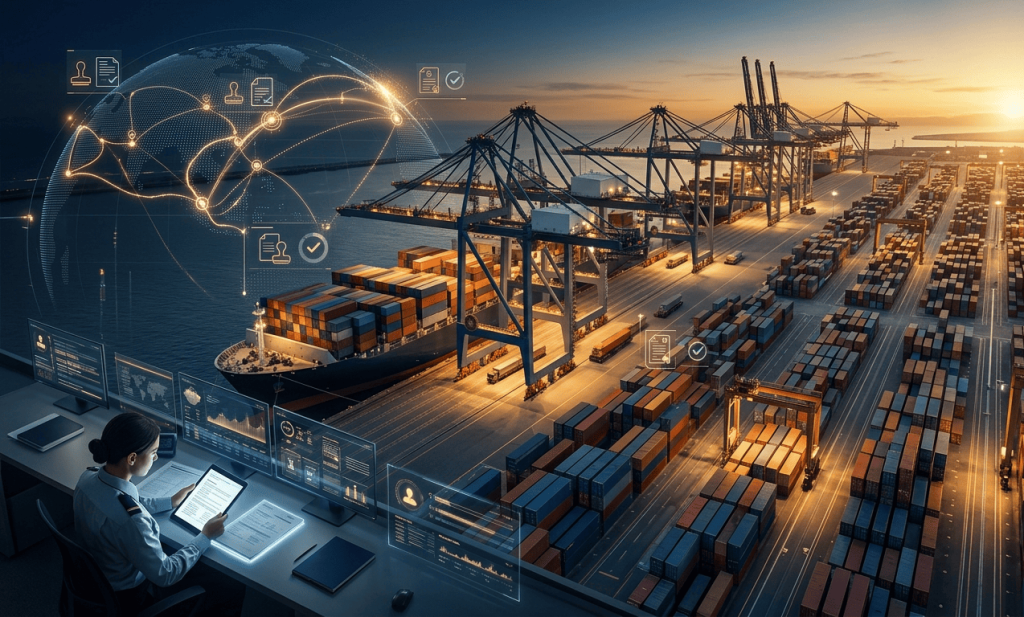
Global trade today is no longer limited to simple import and export transactions. It has evolved into a highly structured ecosystem where suppliers, intermediaries, logistics providers, and buyers are interconnected through complex supply chain networks.
For businesses involved in international sourcing, understanding these global trade networks is essential for making informed procurement decisions and maintaining operational efficiency.
The Structure of Modern Global Trade
Modern trade operates through multi-layered networks involving manufacturers, trading agents, distributors, and end buyers. Each participant plays a specific role in ensuring the smooth flow of goods across borders.
Intermediary organizations like MB Meyasab Expertz play a critical role by connecting verified suppliers with buyers, reducing friction in communication and ensuring structured transaction flow.
Why Global Trade Networks Matter
- Improved access to verified suppliers across regions
- Reduced procurement risks through structured sourcing
- Better pricing through competitive supplier engagement
- Efficient coordination of logistics and documentation
Conclusion
Understanding global trade networks helps businesses optimize their procurement strategy and improve supply chain reliability. With the right trade partners, companies can expand internationally with greater confidence and operational control.